Why Periodic Monitoring Is an Essential Part of Restaurant Hygiene

Discover why periodic monitoring beats one-time pest control and how this approach saves your food service business resources in the long run.
Why Periodic Monitoring Is an Essential Part of Restaurant Hygiene
Managers of food service establishments in Georgia often face the question: is it enough to fight pests only when a problem becomes visible? The answer is simple and definitive: no. In the kitchens of restaurants, cafes, and hotels, periodic monitoring is not a luxury; it is the only effective way to comply with HACCP standards and maintain your business's reputation.
One-Time Disinsection or Regular Monitoring?
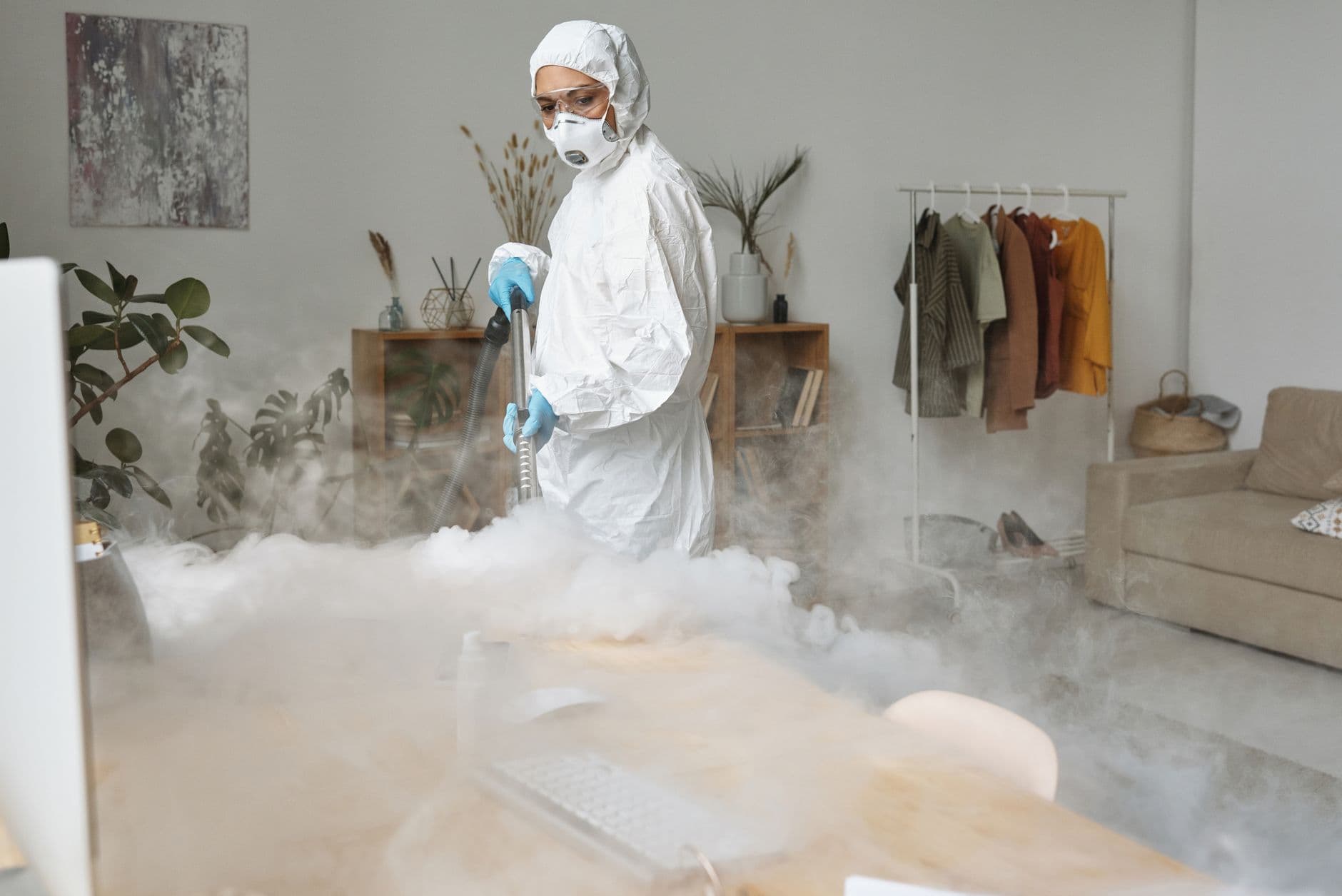
Many entrepreneurs resort to pest control only after pests have appeared. This approach often increases costs because eradicating an existing infestation requires much stronger chemical agents and more time. In contrast, periodic monitoring involves systematic inspection, bait placement, and recording rodent activity.
- One-time service: Costs usually range from 150 to 400 GEL and cover localized problem resolution. However, it does not provide guarantees for the coming months.
- Regular monitoring: Involves monthly visits and documented reports. The price for this service often starts at 100-250 GEL per month, depending on the area. This investment helps you avoid fines and violations of hygiene standards.
Why Is Monitoring an Audit Standard?
When inspecting food establishments in the Georgian market, regulatory bodies require not just cleanliness, but documented evidence that pest control is being carried out continuously. The monitoring protocol offered by "Datsva Pest Solution" includes tracking rodent monitoring stations and pathogen control. This data is an integral part of your HACCP certificate.
What Steps Does Professional Monitoring Include?
- Facility Audit: A specialist identifies risk zones, such as plumbing entry points, storage areas, and ventilation systems.
- Barrier Protection: Sealing entry points for pests using special materials. This is a preventive mechanism that reduces the need for chemical treatment.
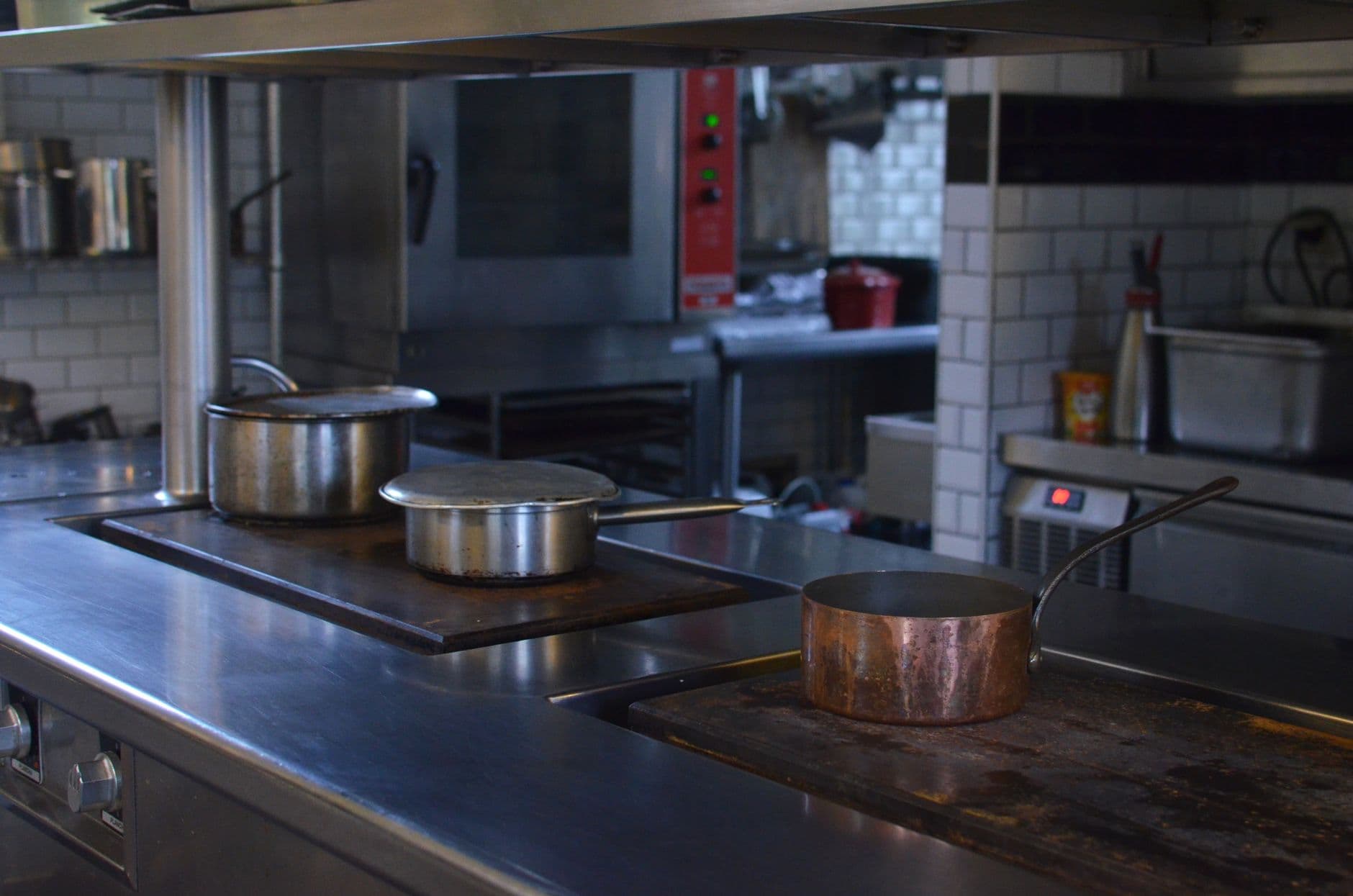
- Monitoring Points: Rodent monitoring stations are placed in the kitchen and storage areas, providing information about pest presence before they are seen by customers.
- Documentation: After each visit, a report is issued, confirming that the facility meets sanitary standards.
Prevention as an Economic Strategy
Damage to food products, negative customer reviews, and sanctions from the National Food Agency are far more expensive than a regular monitoring contract. Based on our experience, restaurants that choose periodic service reduce risks by at least 90 percent.
If you want your kitchen to be fully audit-ready and protected, do not wait for a problem to arise. Contact us to develop a customized monitoring plan for your facility that ensures a safe environment for both your staff and your guests.